Electric Vehicle in India Cost, Battery, Charging & Benefits

In today’s world, electric mobility is seen as a cleaner and more budget-friendly way of travel.

electric vehicle in india

Step Into Ev Revolution

Electric Vehicle in india
Electric vehicle in india

What Is an Electric Vehicle?

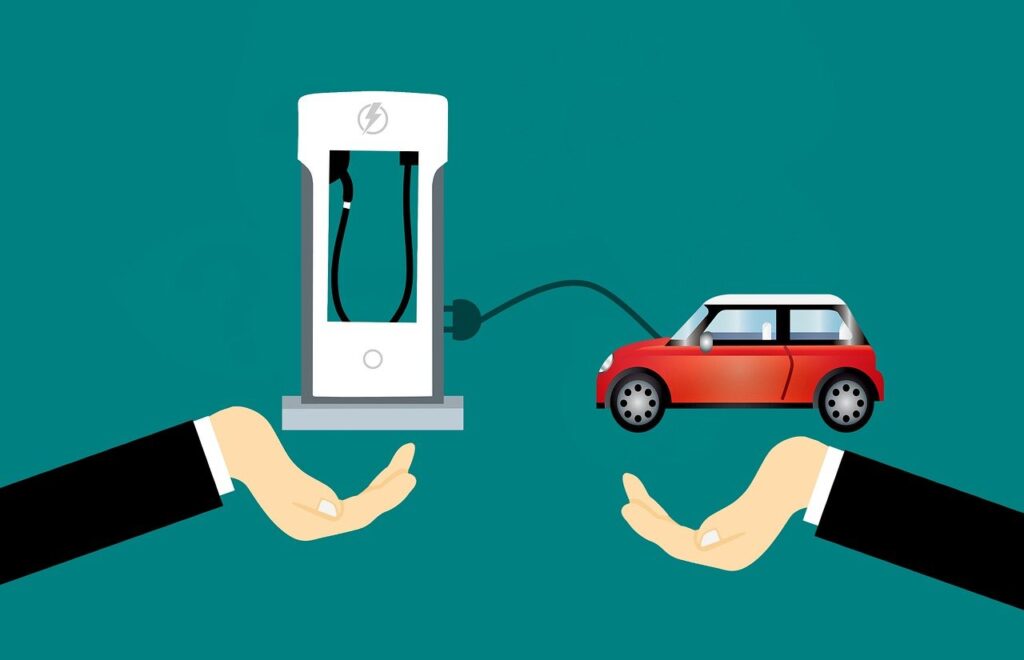
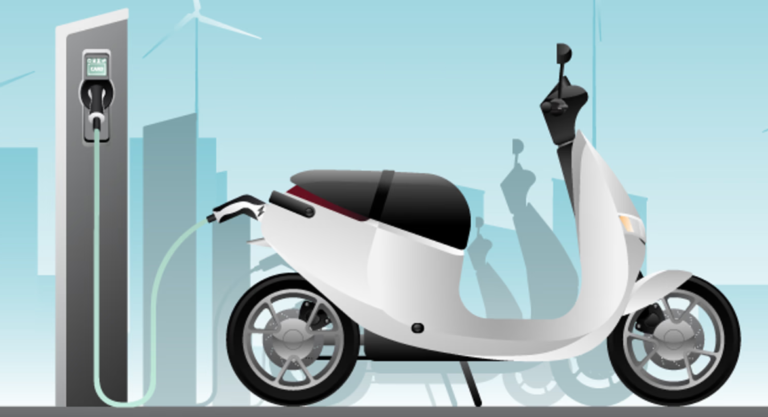
An electric vehicle is a vehicle that runs on electricity instead of petrol or diesel. It uses a battery to store power and an electric motor to move the vehicle.

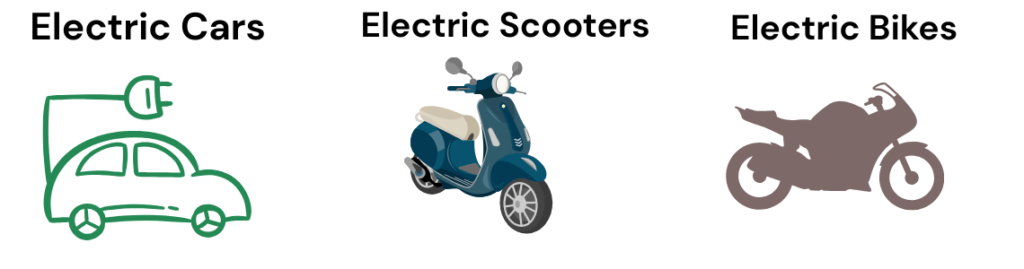
IT include electric cars, scooters, bikes, and autos. Since EVs do not burn fuel, they do not release smoke or harmful gases into the air.

How Does an Electric Vehicle Work?
How Long Do Electric Vehicle Batteries Last?
Why Do EV Batteries Last Long?
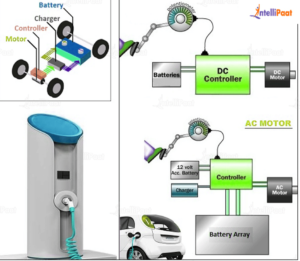
Electric Vehicle in indiaAn electric vehicle has three main parts:

  • A battery that stores electricity
  • An electric motor that moves the vehicle
  • A control system that manages power use

When you charge the battery, electricity is stored. This electricity runs the motor when you drive. That is why EVs are quiet and smooth to drive.
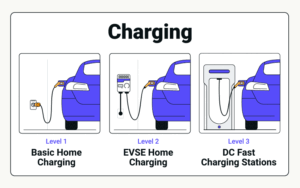
Electric Vehicle In india 

Most EV batteries last 6 to 8 years or about 1.5 to 2 lakh kilometres.

Battery life depends on:

  • How often you charge
  • Driving style
  • Weather conditions

Even after many years, the battery usually continues to work with slightly reduced range.

Battery Cells

Modern EVs use lithium-ion batteries. These batteries are designed to handle many charging cycles and daily use.
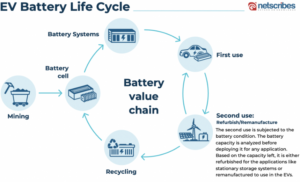
Electric Vehicle in India

Battery Management System

Every EV has a system that controls battery temperature and charging. This system protects the battery and helps it last longer.
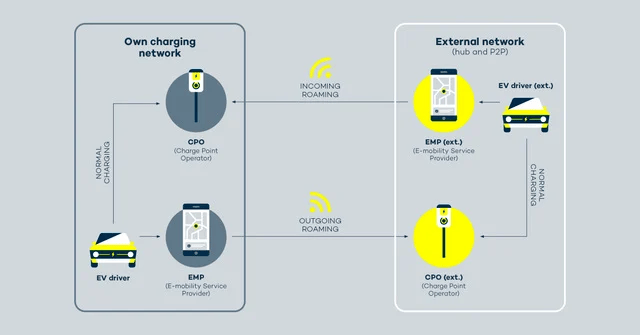

What Is EV Roaming?

EV roaming means you can use one app or card to charge your vehicle at different charging stations. You do not need to register with every charging company. This makes travel easier.

top EV Brands Driving India’s Electric Mobility Future

EV cars

EV Bikes

Cost of Owning an Electric Vehicle in India

Although the initial purchase price of an electric vehicle may be higher, the total ownership cost is much lower.

  • Electricity is cheaper than petrol or diesel
  • Fewer moving parts mean low maintenance
  • Government subsidies and tax benefits

Reality example:
An electric scooter can cost ₹1–2 per km, while petrol scooters cost ₹5–7 per km.


Feature

Electric Vehicle

Petrol Vehicle

Fuel cost

Very low

High

Maintenance

Low

High

Pollution

No tailpipe emissions

High

Noise

Very low

High

Running cost

₹1–2 per km

₹6–10 per km

Over time, electric vehicles are more economical and eco-friendly

Benefits of Electric Vehicles in India

  • Very low running cost

  • Less maintenance

  • No air pollution

  • Quiet and comfortable driving

  • Reduced dependency on fuel imports

Electric vehicles are ideal for daily commuting, city travel, and short intercity trips.

Electric vehicles also have challenges:

  • Higher upfront cost
  • Charging stations not available everywhere
  • Battery replacement cost after many years

However, these issues are reducing as EV infrastructure and technology improve in India.

Yes. Electric vehicles are designed with sealed batteries and waterproof systems. They are tested for Indian road and weather conditions and are safe to use during monsoons.

Electric Vehicle in india
Future of Electric Vehicles in India

The future of EV in India looks strong. Charging infrastructure is expanding, battery technology is improving, and awareness is increasing.

More Public Charging Stations

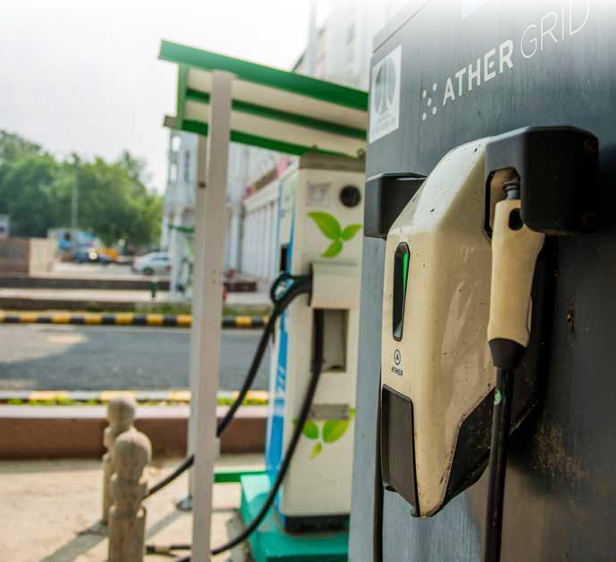
More charging stations are coming to cities and highways. This makes charging electric vehicles easy and reduces worry about battery range.

Faster Charging Technology

New fast chargers help electric vehicles charge quickly. This saves time and makes EV travel more convenient.

Cheaper Batteries & Better Driving Range

Battery prices are reducing, so electric vehicles are becoming affordable. Better batteries also allow EVs to travel longer on one charge.

More EV Options for All Budgets

Electric vehicles are now available in many price ranges. This helps more people choose EVs based on their budget and needs.

Electric Vehicle
FAQ
How far can an EV travel on a single charge?

The driving range varies by model and battery size. In India, many EVs today can travel around 200–500 km on a full charge before needing a recharge.

How long does it take to charge an electric vehicle?
Charging time depends on battery size and charger type. Slow home charging often takes several hours, while DC fast chargers can provide up to 80% charge in under an hour.
Do EVs have environmental benefits?

EVs produce zero tailpipe emissions, which helps reduce air pollution and greenhouse gas emissions compared to traditional vehicles.

Are there government policies or incentives for EVs in India?
India has various incentives and policies to encourage EV adoption, including subsidy schemes and supportive frameworks for manufacturers and buyers.
Electric Vehicle INindia
Scroll to Top